Episode 139
Dementia Myth Busters – The Most Common Myths Explained Part 1
In this episode, Lisa breaks down the most widespread myths and misunderstandings surrounding Alzheimer’s disease and dementia. Each myth is paired with the real truth—clearly explained—to help families and caregivers better understand what dementia is, what it isn’t, and how to respond with confidence and compassion.
Key Takeaway:
Understanding the truth behind these myths empowers families, caregivers, and communities to provide better care, plan effectively, and reduce fear and stigma around dementia.
About the Host:
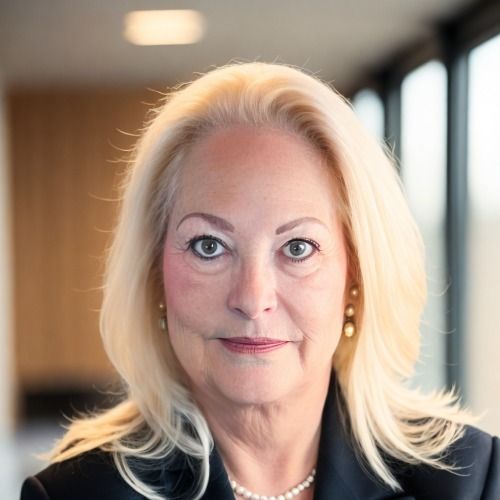
Author Lisa Skinner is a behavioral specialist with expertise in Alzheimer’s disease and related dementia. In her 30+year career working with family members and caregivers, Lisa has taught them how to successfully navigate the many challenges that accompany this heartbreaking disease. Lisa is both a Certified Dementia Practitioner and is also a certified dementia care trainer through the Alzheimer’s Association. She also holds a degree in Human Behavior.
Her latest book, “Truth, Lies & Alzheimer’s – Its Secret Faces” continues Lisa’s quest of working with dementia-related illnesses and teaching families and caregivers how to better understand the daunting challenges of brain disease. Her #1 Best-seller book “Not All Who Wander Need Be Lost,” was written at their urging. As someone who has had eight family members diagnosed with dementia, Lisa Skinner has found her calling in helping others through the struggle so they can have a better-quality relationship with their loved ones through education and through her workshops on counter-intuitive solutions and tools to help people effectively manage the symptoms of brain disease. Lisa Skinner has appeared on many national and regional media broadcasts. Lisa helps explain behaviors caused by dementia, encourages those who feel burdened, and gives practical advice for how to respond.
So many people today are heavily impacted by Alzheimer's disease and related dementia. The Alzheimer's Association and the World Health Organization have projected that the number of people who will develop Alzheimer's disease by the year 2050 worldwide will triple if a treatment or cure is not found. Society is not prepared to care for the projected increase of people who will develop this devastating disease. In her 30 years of working with family members and caregivers who suffer from dementia, Lisa has recognized how little people really understand the complexities of what living with this disease is really like. For Lisa, it starts with knowledge, education, and training.
Thanks for listening!
Thanks so much for listening to our podcast! If you enjoyed this episode and think that others could benefit from listening, please share it using the social media buttons on this page.
Do you have some feedback or questions about this episode? Leave a comment in the section below!
Subscribe to the podcast
If you would like to get automatic updates of new podcast episodes, you can subscribe to the podcast on Apple Podcasts or Stitcher. You can also subscribe in your favorite podcast app.
Leave us an Apple Podcasts review
Ratings and reviews from our listeners are extremely valuable to us and greatly appreciated. They help our podcast rank higher on Apple Podcasts, which exposes our show to more awesome listeners like you. If you have a minute, please leave an honest review on Apple Podcasts.
Transcript
Hello everybody. Welcome to a new episode of the
Lisa Skinner:truth, lies and Alzheimer's show with Lisa Skinner, your host, I
Lisa Skinner:am going to talk about something that just is very unnerving for
Lisa Skinner:me, and it's all of the misinformation, the
Lisa Skinner:disinformation, the myths that have been circling around,
Lisa Skinner:living with Alzheimer's disease for as long as I've been around,
Lisa Skinner:and it dates back 50 years to my first experience with my
Lisa Skinner:grandmother. So that's a long time to be hearing these myths
Lisa Skinner:that circulate around knowing that they're all untrue. And I
Lisa Skinner:think what it has ended up doing is really putting blinders on
Lisa Skinner:the situation for understanding the truth about what people go
Lisa Skinner:through when they have Alzheimer's disease or related
Lisa Skinner:dementia. So I'm busting some of those myths today. We're
Lisa Skinner:actually going to do this in two parts, because there are so many
Lisa Skinner:of them. So here's what I have to share with you for part one
Lisa Skinner:of myth busting dementia and Alzheimer's Disease Information.
Lisa Skinner:First one, memory loss is just a normal part of aging and nothing
Lisa Skinner:to worry about. Well, the truth is, while aging can bring some
Lisa Skinner:natural changes in memory, significant or progressive
Lisa Skinner:memory loss that interferes with daily life is not normal and can
Lisa Skinner:be a sign of dementia, including Alzheimer's disease. Now other
Lisa Skinner:disorders such as depression, thyroid issues, medications,
Lisa Skinner:sleep disorders can also cause memory problems and should be
Lisa Skinner:evaluated. So why is this misleading? Because it confuses
Lisa Skinner:age related changes with pathological decline. So the key
Lisa Skinner:point to this is seek medical evaluation if memory loss
Lisa Skinner:progresses or if it impacts a person's independence, or if it
Lisa Skinner:includes significant confusion or difficulty in planning or
Lisa Skinner:getting lost in familiar places. Another myth, Alzheimer's
Lisa Skinner:disease is caused by a single gene or is purely genetic? The
Lisa Skinner:truth, most cases are not directly caused by a single
Lisa Skinner:gene. There are rare early onset familial forms caused by
Lisa Skinner:specific genetic mutations. For example, the A, P, P, the PSE
Lisa Skinner:and one, and the PSE and two. But the majority of cases are
Lisa Skinner:sporadic and influenced by a combination of genetic risk
Lisa Skinner:factors like the A, P, O, e4, gene or lifestyle factors and
Lisa Skinner:environmental factors. So why is this one misleading? Because it
Lisa Skinner:over simplifies the causes and could also create a situation
Lisa Skinner:for people where they're feeling undue guilt or fatalism, like
Lisa Skinner:you know, why should they bother living because they're going to
Lisa Skinner:get Alzheimer's disease anyway, and that's completely far from
Lisa Skinner:the truth. The key point to this is genetics can influence risk,
Lisa Skinner:yes, but lifestyle and vascular health also play a major role in
Lisa Skinner:determining a person's risk for developing Alzheimer's disease.
Lisa Skinner:Alzheimer's disease is not fatal or is just an old age brain
Lisa Skinner:decay. Truth to that, Alzheimer's is a progressive
Lisa Skinner:neurodegenerative disease that ultimately leads to severe
Lisa Skinner:cognitive and functional decline and is usually fatal. Well, it
Lisa Skinner:is fatal complications such as infections, falls and
Lisa Skinner:malnutrition. Nutrition contribute to the mortality of a
Lisa Skinner:person. So why is this one misleading? Because it downplays
Lisa Skinner:the severity and the prognosis of Alzheimer's disease and the
Lisa Skinner:other brain diseases that cause dementia. There's no going back.
Lisa Skinner:There's no cure, there's no treatment yet, there's no
Lisa Skinner:reversing it. So the key point here is early planning and
Lisa Skinner:symptom management are extremely important. Here's number four,
Lisa Skinner:only older people get Alzheimer's disease. The truth
Lisa Skinner:to that matter is the vast majority of cases occur in
Lisa Skinner:people age 65 or older, but a small percentage occur in people
Lisa Skinner:under the age of 65 we call that early onset Alzheimer's disease.
Lisa Skinner:Other forms of dementia can affect younger individuals as
Lisa Skinner:well. Why is that misleading? It ignores younger onset forms and
Lisa Skinner:the broader spectrum of dementia. So the key point is
Lisa Skinner:that early onset forms are rare, but they are very, very real,
Lisa Skinner:and the risk increases as we age number five, Alzheimer's disease
Lisa Skinner:progresses. The same for everyone? Well, that is a total
Lisa Skinner:mistruth. The disease progression varies widely among
Lisa Skinner:individuals, in rate and in pattern, some have a relatively
Lisa Skinner:slow decline over years. Others experience faster progression.
Lisa Skinner:Symptoms can vary in the way of their memory loss, language
Lisa Skinner:Visio, spatial skills, behavior, all of these can fluctuate
Lisa Skinner:between people. And why is this misleading? Because a one size
Lisa Skinner:fits all expectations are completely inaccurate. Key Point
Lisa Skinner:personalized care plans are very essential and extremely
Lisa Skinner:valuable. Myth number six, if there's no family history, you
Lisa Skinner:won't get Alzheimer's disease. That's not true. Family history
Lisa Skinner:does increase risk, but is not a prerequisite. Most people with
Lisa Skinner:Alzheimer's disease have no known family history, non
Lisa Skinner:genetic factors such as age, cardiovascular health, diabetes,
Lisa Skinner:smoking, exercise and diet significantly influence the risk
Lisa Skinner:for a person to develop Alzheimer's disease. So why is
Lisa Skinner:that misleading? Because it ignores non genetic risk
Lisa Skinner:factors. Key Point, healthy lifestyle reduces risk and can
Lisa Skinner:delay onset. For many people, there is a cure or a single pill
Lisa Skinner:that will stop Alzheimer's? No, no, no, no, no. There currently
Lisa Skinner:is no cure. Some medications can help with symptoms, to
Lisa Skinner:temporarily and modestly slow the progression down in some
Lisa Skinner:people, but unfortunately and sadly, they do not halt the
Lisa Skinner:underlying disease. Research is ongoing with several therapeutic
Lisa Skinner:approaches under study. It's misleading because it creates
Lisa Skinner:false hope about a quick fix. And the key point to this myth
Lisa Skinner:is that treatment focuses on symptom management, quality of
Lisa Skinner:life and safety. Next one, Alzheimer's disease only affects
Lisa Skinner:memory while memory problems are prominent. Alzheimer's affects
Lisa Skinner:multiple cognitive domains, language, reasoning, Visio,
Lisa Skinner:spatial skills and behavior, behavioral changes, mood
Lisa Skinner:changes, sleep disturbances and functional impairment are also
Lisa Skinner:common symptom to dementia,
Lisa Skinner:and that's misleading because it narrows the expectation of
Lisa Skinner:symptoms. I have said so many times that the majority of
Lisa Skinner:people that I have known in the past 30 years really associate
Lisa Skinner:Alzheimer's disease with short term memory loss and confusion,
Lisa Skinner:and as I. Have discussed multiple multiple times. It is
Lisa Skinner:so much more complicated than that, but people fall prey to
Lisa Skinner:these myths. So the key point is that a comprehensive assessment
Lisa Skinner:covers cognition, covers function, behavior and daily
Lisa Skinner:living. The next myth, dementia is just a part of a normal part
Lisa Skinner:of aging and cannot be prevented. Well, dementia is not
Lisa Skinner:an inevitable part of aging, though risk does increase with
Lisa Skinner:age, some risk factors are modifiable, like cardiovascular
Lisa Skinner:health, obesity, physical activity, smoking, diabetes and
Lisa Skinner:depression, prevention or delay may be possible through risk
Lisa Skinner:reducing strategies. That's misleading, because it implies
Lisa Skinner:that nothing can be done, which is not true, and the key point
Lisa Skinner:is healthy lifestyle choices can and do influence our risk of
Lisa Skinner:developing Alzheimer's disease. Next one, if someone has
Lisa Skinner:dementia, there is nothing you can do to help Well, the truth
Lisa Skinner:of that matter is that while dementia is progressive, many
Lisa Skinner:interventions can improve the quality of life, also improve
Lisa Skinner:safety, mood, Sleep and daily functioning, non pharmacological
Lisa Skinner:approaches such as cognitive stimulation, physical activity,
Lisa Skinner:social engagement and structured routines, as well as appropriate
Lisa Skinner:medical treatment, can all help care planning and caregiver
Lisa Skinner:support are crucial, and that's misleading, because it implies
Lisa Skinner:passivity. And the key point to this myth is that there is such
Lisa Skinner:a thing, and I'm certified in this called person centered care
Lisa Skinner:and adaptable routines and support services that all matter
Lisa Skinner:greatly in the dementia world. Next myth, memory tests in
Lisa Skinner:doctors offices are definitive diagnoses. No The truth is
Lisa Skinner:routine screening or brief cognitive tests are initial
Lisa Skinner:tools, but a definitive diagnosis typically requires
Lisa Skinner:comprehensive assessment, including history, repeated
Lisa Skinner:testing, medical evaluation, imaging and sometimes genetic or
Lisa Skinner:laboratory tests. Dementia can be caused by multiple conditions
Lisa Skinner:needing differential diagnosis, and that's misleading because it
Lisa Skinner:overstates the decisiveness of initial tests. So what's the key
Lisa Skinner:point here? The diagnosis is a process, not a single test. Next
Lisa Skinner:myth medicines for Alzheimer's are addictive or dangerous with
Lisa Skinner:no benefits whatsoever. Truth to that is that most approved
Lisa Skinner:medications have been studied for safety and can be beneficial
Lisa Skinner:for some people in symptom management, especially in the
Lisa Skinner:early to mid stages. Like all medications, they have potential
Lisa Skinner:side effects and require medical supervision. They are not
Lisa Skinner:generally addictive. That's misleading, because it confuses
Lisa Skinner:side effects with dependence or lack of efficacy. What's the key
Lisa Skinner:point? Discuss risks and benefits with a clinician and
Lisa Skinner:tailor it to each individual person next. Dementia only
Lisa Skinner:affects memory and is not related to other health issues.
Lisa Skinner:Again, dementia is linked with broader health factors,
Lisa Skinner:including cardiovascular health, diabetes, obesity, sleep
Lisa Skinner:disorders, depression, hearing loss and lifestyle factors.
Lisa Skinner:These things can influence risk progression and overall well
Lisa Skinner:being. That's misleading, because it isolates cognitive
Lisa Skinner:symptoms from physical health. So what's the key point here?
Lisa Skinner:Holistic Health Management is very important next. People with
Lisa Skinner:dementia cannot learn new things or engage in complex activities.
Lisa Skinner:That's not true. People with dementia can often learn and
Lisa Skinner:engage in meaningful activities, especially with tailored
Lisa Skinner:approaches, with repetition and with support, remaining engaged
Lisa Skinner:can help quality of life and may slow functional decline. There's
Lisa Skinner:many studies out there that have shown a correlation to that, and
Lisa Skinner:that's misleading, because it underestimates a person's
Lisa Skinner:retained abilities, people just assume they can't do anything
Lisa Skinner:anymore, and that's not true. So the key to this is to use a
Lisa Skinner:scent a person centered approach simple, enjoyable activities
Lisa Skinner:that are focused for each person and provide adequate support to
Lisa Skinner:their skill level. Next, dementia automatically leads to
Lisa Skinner:aggressive or violent behavior. Now, most people with dementia
Lisa Skinner:are not violent. Behavioral and psychological symptoms can
Lisa Skinner:occur, yes, such as agitation or aggression, but these are often
Lisa Skinner:due to them being uncomfortable or for environmental reasons or
Lisa Skinner:unmet needs that cannot be communicated to us, but can be
Lisa Skinner:managed with proper care strategies. So that's
Lisa Skinner:misleading, because it stigmatizes people living with
Lisa Skinner:dementia. I totally agree with that. The key point here is we
Lisa Skinner:want to assess for triggers that cause these reactions, we want
Lisa Skinner:to provide calm environments and seek professional strategies
Lisa Skinner:when behavior changes arise, tests like brain scans can
Lisa Skinner:diagnose Alzheimer's With 100% accuracy. Well, the truth to
Lisa Skinner:that is imaging and biomarkers can support a diagnosis and help
Lisa Skinner:distinguish between types of dementia, but no single test is
Lisa Skinner:definitive in all cases, it is certainly not with Alzheimer's
Lisa Skinner:disease, a diagnosis typically combines clinical evaluation,
Lisa Skinner:imaging labs and sometimes biomarker data. That's
Lisa Skinner:misleading because it over claims certainty to formulate an
Lisa Skinner:accurate diagnosis. The point to that is that a diagnosis is
Lisa Skinner:multimodal and context dependent. Next only older
Lisa Skinner:people get diagnosed with dementia under 65 never has it.
Lisa Skinner:Well, don't forget, early onset dementia that's diagnosed before
Lisa Skinner:the age of 65 does exist. It's very, very real, though less
Lisa Skinner:common. It can significantly impact families and work and may
Lisa Skinner:involve different symptom patterns. That's misleading
Lisa Skinner:because it can often ignore a real minority group. So the key
Lisa Skinner:point is to seek evaluation when persistent cognitive changes
Lisa Skinner:occur at any age. Next myth, there's nothing we can do to
Lisa Skinner:reduce our risk once we notice mild cognitive changes. Well,
Lisa Skinner:that's not true. Early attention to cardiovascular and metabolic
Lisa Skinner:health, physical activity, cognitive engagement, sleep and
Lisa Skinner:social connection, can and does influence progression and
Lisa Skinner:potentially reduce the risk of rapid decline. Early
Lisa Skinner:interventions may delay onset of severe symptoms.
Lisa Skinner:That's misleading because it implies inevitability, and the
Lisa Skinner:key point is to proactively manage matters at any stage next
Lisa Skinner:one dementia is contagious or can be transmitted like an
Lisa Skinner:infection, that one is kind of out there. I have heard this for
Lisa Skinner:years and years and years, but the truth is that dementia is
Lisa Skinner:not. Contagious. It is not a neurodegenerative condition with
Lisa Skinner:biological causes, such as an infectious disease, and of
Lisa Skinner:course, why is that misleading? Because it spreads and continues
Lisa Skinner:to spread misunderstandings and stigma, so you don't have to
Lisa Skinner:worry about getting it from sitting on a toilet seat. As my
Lisa Skinner:mother used to say, the key point is, education reduces
Lisa Skinner:stigma and fear. Education is our power. There's no doubt
Lisa Skinner:about it. The next one. If you have dementia, you should stop
Lisa Skinner:trying to communicate or interact. No people with
Lisa Skinner:dementia often benefit from continued social interaction,
Lisa Skinner:tailored communication strategies and meaningful
Lisa Skinner:engagement, patience, simple language and supportive cues
Lisa Skinner:will help maintain connection. That's misleading, because it
Lisa Skinner:can so easily lead to social withdrawal and isolation, and we
Lisa Skinner:know for a fact that that can speed up a person's decline. The
Lisa Skinner:key point is communication, adaptations do enhance quality
Lisa Skinner:of life. This has been shown to be factual. Couple more. Here's
Lisa Skinner:one, that dietary supplements can prevent or cure Alzheimer's
Lisa Skinner:What do you think about that one? Well, I'll tell you, there
Lisa Skinner:is no conclusive evidence that most supplements prevent or cure
Lisa Skinner:Alzheimer's disease. Fact, some may be helpful in certain
Lisa Skinner:contexts, but not universally proven, but they can interact
Lisa Skinner:with prescription medications. I wonder if you actually knew that
Lisa Skinner:always consult a clinician before starting any supplement,
Lisa Skinner:and that is misleading because it promotes unproven cures and
Lisa Skinner:potential harm. The key point is, evidence based approaches
Lisa Skinner:are obviously preferred. So discuss anything new with a
Lisa Skinner:healthcare provider that makes sense. Next one people with
Lisa Skinner:dementia should never live alone. The truth is, some people
Lisa Skinner:with dementia can live safely at home with appropriate supports,
Lisa Skinner:like home safety adaptations, caregiver support, community
Lisa Skinner:resources, others may require assisted living or memory care,
Lisa Skinner:but to determine that really, you've got to do individual
Lisa Skinner:assessments on each person, each case is different. That's
Lisa Skinner:misleading, because it's overly prescriptive and not person
Lisa Skinner:centered. I agree with that. The key point, safety plans and
Lisa Skinner:regular reassessment are key. Next to last, myth that I'm
Lisa Skinner:going to share with you in part one, caring for someone with
Lisa Skinner:dementia must be done by a family member. There's no need
Lisa Skinner:for professional help. The truth is, a combination of formal care
Lisa Skinner:services that could include home health aides, memory care,
Lisa Skinner:people, social workers, and informal caregiving often
Lisa Skinner:provides the best outcomes. Caregiver support reduces
Lisa Skinner:burnout and improves care quality, and that's misleading,
Lisa Skinner:because it undervalues professional resources, and in
Lisa Skinner:my experience, it just perpetuates being in that state
Lisa Skinner:of reaction if you have not been trained on effective
Lisa Skinner:communication strategies, and you just, you know, it's like
Lisa Skinner:being the hamster on the wheel. So that's an important point. So
Lisa Skinner:what should we do in that situation? Build a care team
Lisa Skinner:that includes. Health care professionals and community
Lisa Skinner:services if possible, and the last one, in part one, a busting
Lisa Skinner:myth, Once diagnosed, there's nothing that can be done, and
Lisa Skinner:the disease will inevitably worsen quickly. The truth is
Lisa Skinner:that while dementia is progressive, the trajectory
Lisa Skinner:varies person to person, symptom management, medical treatment,
Lisa Skinner:environmental adjustments and caregiver planning can improve
Lisa Skinner:quality of life and functional independence for much longer
Lisa Skinner:periods of time in a lot of people. And I think this is a
Lisa Skinner:really good point for why this is so misleading, and I've seen
Lisa Skinner:it because it promotes hopelessness. That doesn't have
Lisa Skinner:to be the case. Key point to this is that early, ongoing
Lisa Skinner:planning and care optimization can be so beneficial to our
Lisa Skinner:loved ones and the folks that we are caring for living with
Lisa Skinner:Alzheimer's disease and dementia. So there are 24 myths.
Lisa Skinner:So far that I have shared with you. That's a lot of
Lisa Skinner:misinformation out there, and I still have part two to go over
Lisa Skinner:with you, which will be published and aired the
Lisa Skinner:following week. After this one, they're going to go back to
Lisa Skinner:back. So that concludes the episode today for the truth,
Lisa Skinner:lies and Alzheimer's show. Again, I'm Lisa Skinner, your
Lisa Skinner:host, and don't forget if you want to check out our website
Lisa Skinner:for updated information and new resources, please go to minding
Lisa Skinner:dementia.com. I hope all of you have a happy and healthy week
Lisa Skinner:ahead of you, and as always, I will be back next week with part
Lisa Skinner:two of busting myths about living with Alzheimer's disease
Lisa Skinner:and dementia. So hope to see you then, bye. Bye.